
Design Thinking: The Secret Sauce for Personal Development
Most personal development advice feels like a never-ending to-do list you’ll never finish. Design thinking flips that script. It breaks down big changes into simple, practical steps you can actually stick with—helping you build habits that last. Ready for realistic strategies that make sustainable growth more than just a buzzword? Let’s get into how design thinking can reshape your approach to personal development. Read more here.
Understanding Design Thinking

Let’s start by exploring what makes design thinking so powerful. This approach turns traditional problem-solving on its head, focusing instead on practical solutions that anyone can adopt.
What is Design Thinking?
At its core, design thinking is a method that encourages creative problem-solving. Born from the world of design, it’s a way to address complex issues by focusing on user needs and experiences. Imagine having a toolkit that helps you tackle personal challenges just like a designer approaches a new project. Whether it’s a career shift or a personal habit you’re trying to change, design thinking provides a structured yet flexible framework. For a deeper look into the process, check out this guide on design thinking.
Key Principles for Personal Growth
Design thinking isn’t just for designers. It’s for anyone looking to make meaningful changes in their life. The principles include empathizing with your own needs, defining your goals clearly, and ideating on potential solutions. You then prototype these ideas by testing small changes and iterate based on what works. This cycle keeps you moving forward, even when life throws curveballs. By applying these principles, you ensure your growth is grounded in real-world application, not theoretical fluff.
Applying Design Thinking to Personal Development
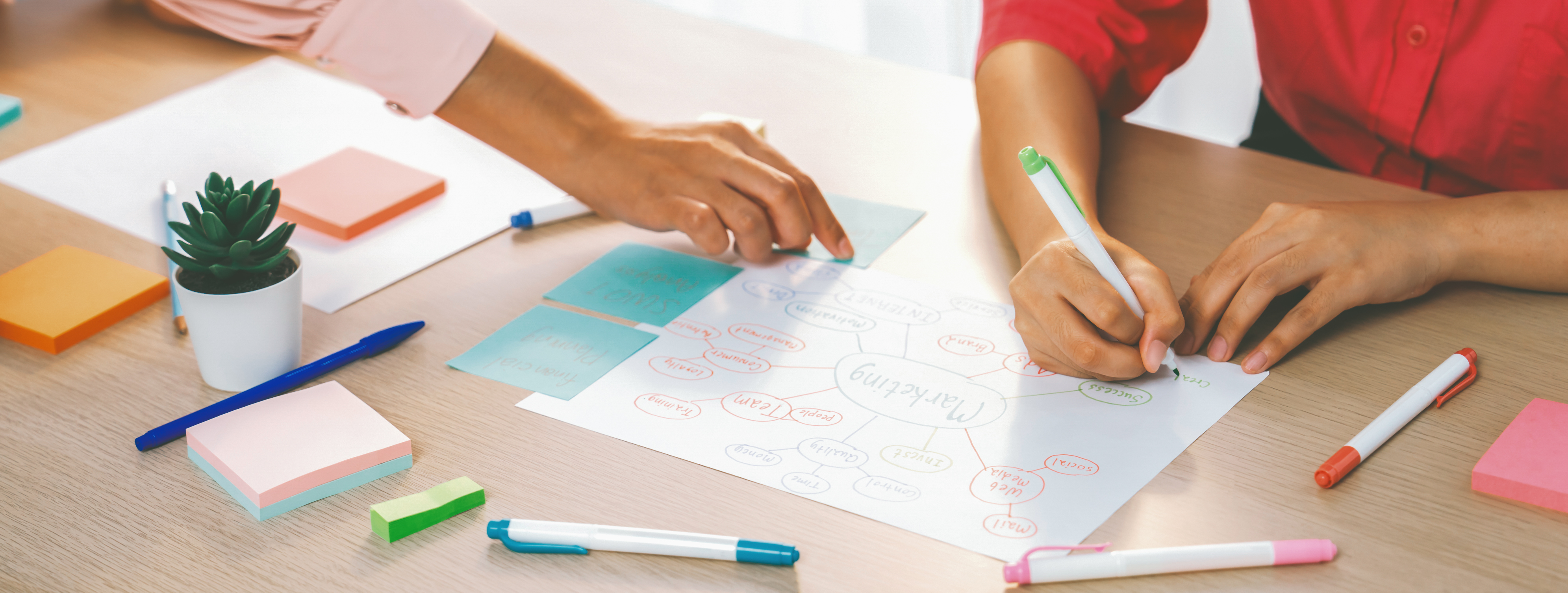
Now that we understand what design thinking is, let’s see how it can transform your personal development journey. This section will explore breaking down major changes and building habits that stick.
Breaking Down Big Changes
Big changes can be daunting, but design thinking helps break them into manageable pieces. Start small—identify one key area where change is needed. For instance, if you’re aiming to improve your health, focus first on your morning routine. Instead of overhauling your diet and exercise in one go, start with a simple action like drinking a glass of water every morning. This small change can create a ripple effect, making it easier to add more healthy habits over time. Remember, progress is built step by step.
Building Lasting Habits
Building habits that last is all about consistency. With design thinking, you’re encouraged to test different approaches until you find what sticks. Think of it like an experiment. If one method fails, tweak it and try again. Create visual reminders, set up rewards for small wins, and track your progress. These tactics can help solidify new habits. According to this article, prototyping your habits can lead to sustainable change by allowing you to learn what truly works for you.
Realistic Strategies for Sustainable Growth

Harnessing design thinking’s power for personal development is about finding practical solutions that work for you. Let’s dive into some strategies.
Practical Self-help Tools
Self-help doesn’t have to be complicated. Design thinking encourages simplicity and practicality. Use tools like habit trackers or digital calendars to keep you on course. Documenting your progress can provide insight into what’s working and what’s not. A simple checklist can serve as a daily reminder of your goals. This approach makes self-improvement feel less like a chore and more like an achievable journey.
Evidence-based Approaches for Growth
Not all self-help advice is created equal. Grounding your personal development in evidence-based strategies ensures you’re on the right path. Design thinking leverages data and feedback to refine your approach. Regularly assess your progress and adjust your strategies based on real results, not assumptions. This method reduces trial and error, saving you time and frustration. Want to know more about applying this approach? Check out this resource.
Design thinking provides a practical framework to navigate personal development. By adopting this approach, you open doors to sustainable growth and meaningful change. As you continue your journey, remember that every small step counts and every insight gained is a win. Keep iterating, and you’ll find the path that suits you best.
Enjoyed this article?
Get your Free Starter Pack – A library of templates, worksheets and evidence‑based strategies to design your life. Download it here.
Join Extra Squeeze – My weekly newsletter packed with growth‑by‑design insights delivered straight to your inbox. Sign up now.
Related reads: Escaping the Scroll and The Sunday Scaries.